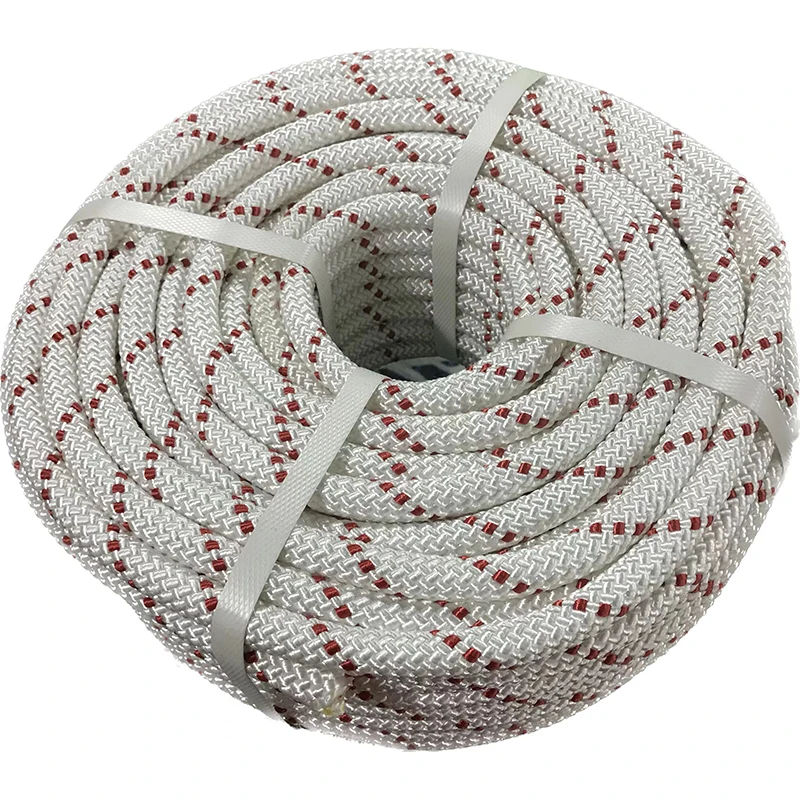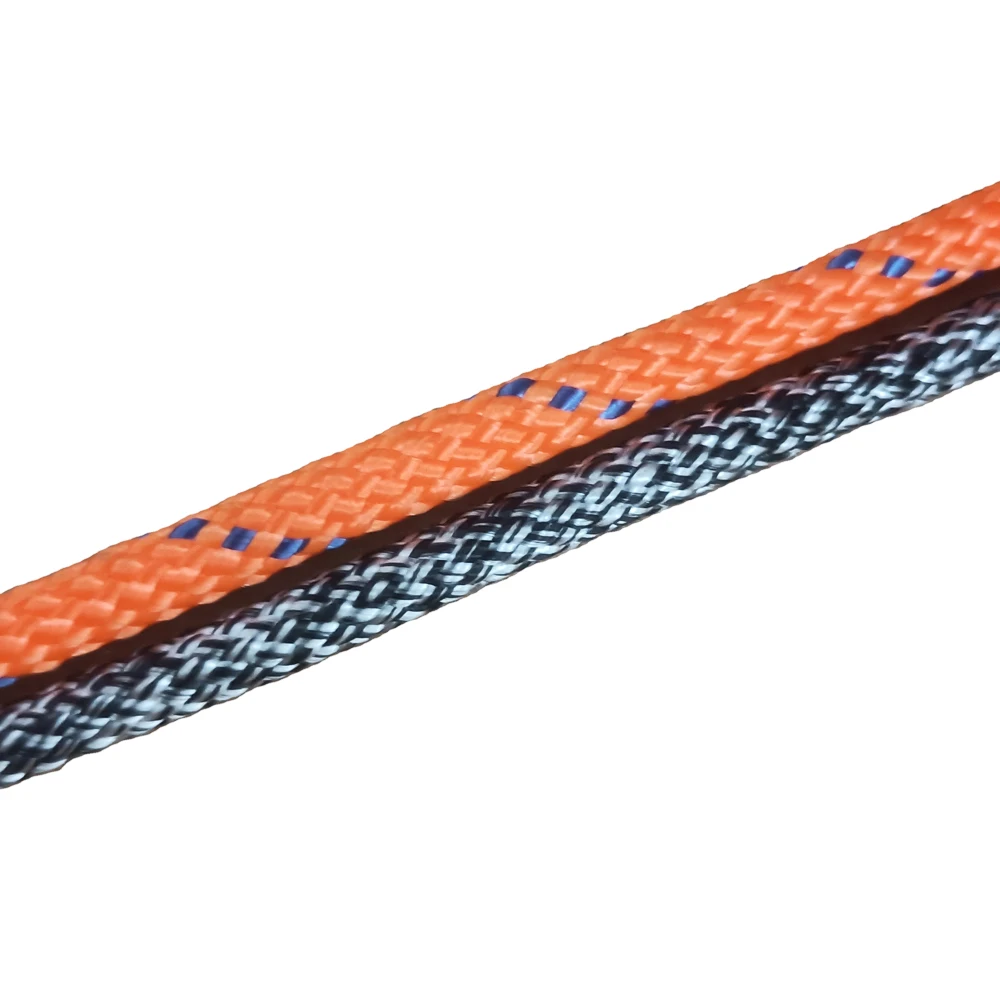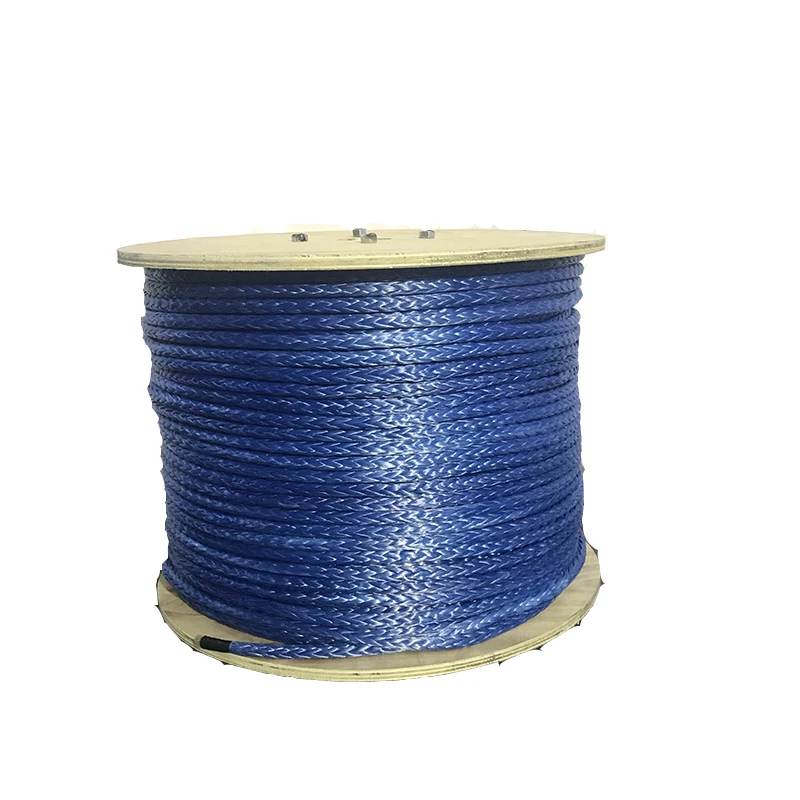
Rigging rope is a versatile tool – be sure to add it to your bag today to take care of business. If you are new to the world of rigging It is critical that you know how to safely rig with rope. Today, we are going to cover the basics of rigging rope as well as five quick tips for using it safely. We will also explain how to select the right rigging rope for your job, and introduce you to some beginner techniques to get you started. Check in next time when we talk about common pitfalls (pun intended) to avoid when using rigging rope.
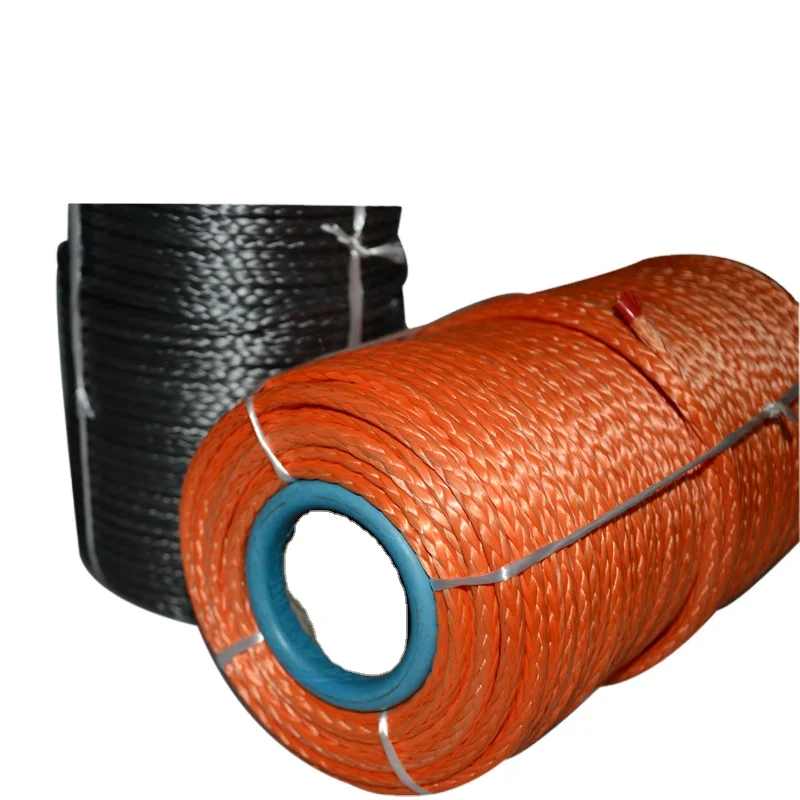
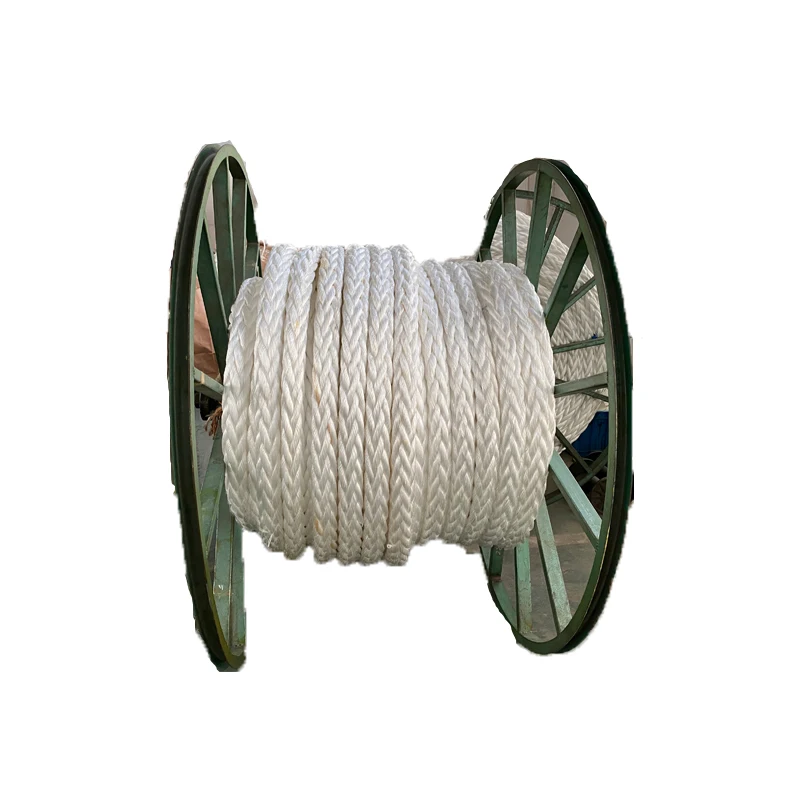
Utility ropes, or rigging lines, are used for moving and lifting heavy objects. It’s popular in construction, shipping, and other heavy lifting industries. Construction There are a variety of materials used to make rigging rope, such as nylon, polyester, or polypropylene. There are different strengths and weaknesses to different types of material so you will need to choose accordingly.
When using rigging rope safety should be of utmost importance. Ensure the rope is intact and free from any cuts or damage. Make sure that there are no frays or snaps in the strands, before using the rope. You will also need to check the rigging hardware: hooks and slings must be safely hooked up and work properly. Always use the correct knots and methods when attaching a rope to ensure that it is safe to use and will not slide or disengage while in use.
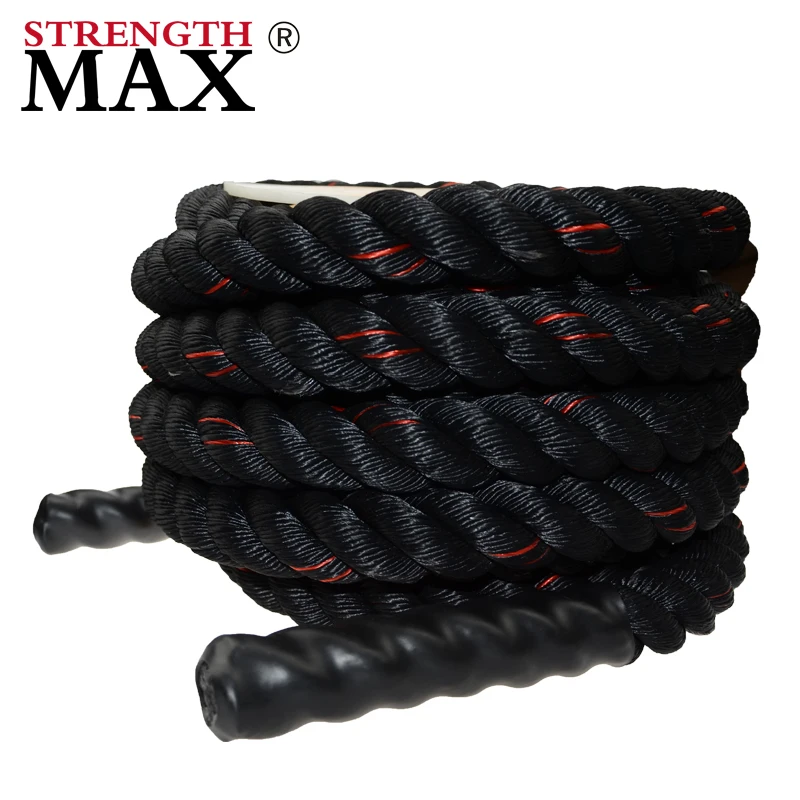
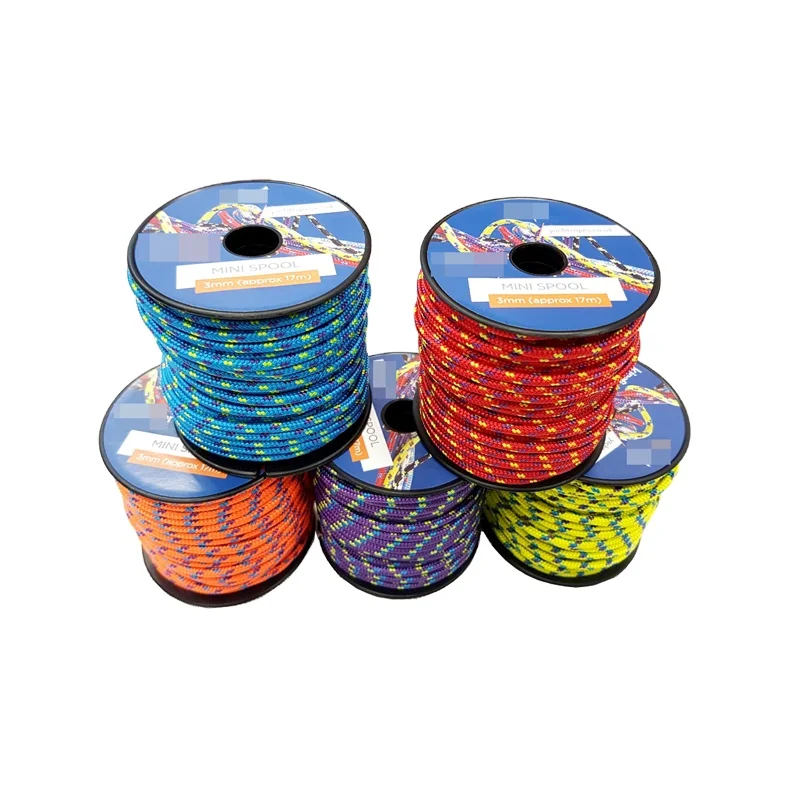
When selecting rigging rope, it is crucial to think through the weight and type of object you will be lifting. There are several different types of rope, each with varied weight capacities and strengths so it’s essential to pick the right one for you. Nylon Rope Nylon rope is super sturdy, making it ideal for really heavy loads. Polyester ropes are lighter, softer, and more flexible than nylon ropes, and are better for use in tight spaces. Polypropylene rope is resistant to water and most chemicals, and won't float.
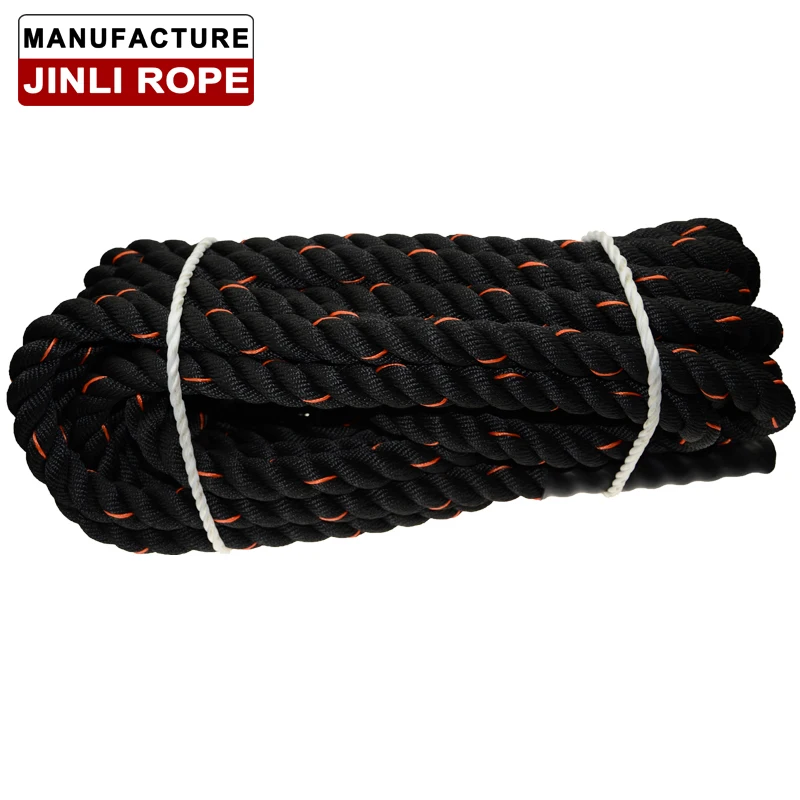
If you're just getting starting using rigging rope, here are a few tips that might help. There is a strong knot, known as the bowline knot, regularly employed in rigging. To form a bowline, place a small loop in the rope and then pass the end of the rope through the loop. Next, lead the working end around the standing line and feed it back through the loop. Tighten the knot to secure it.
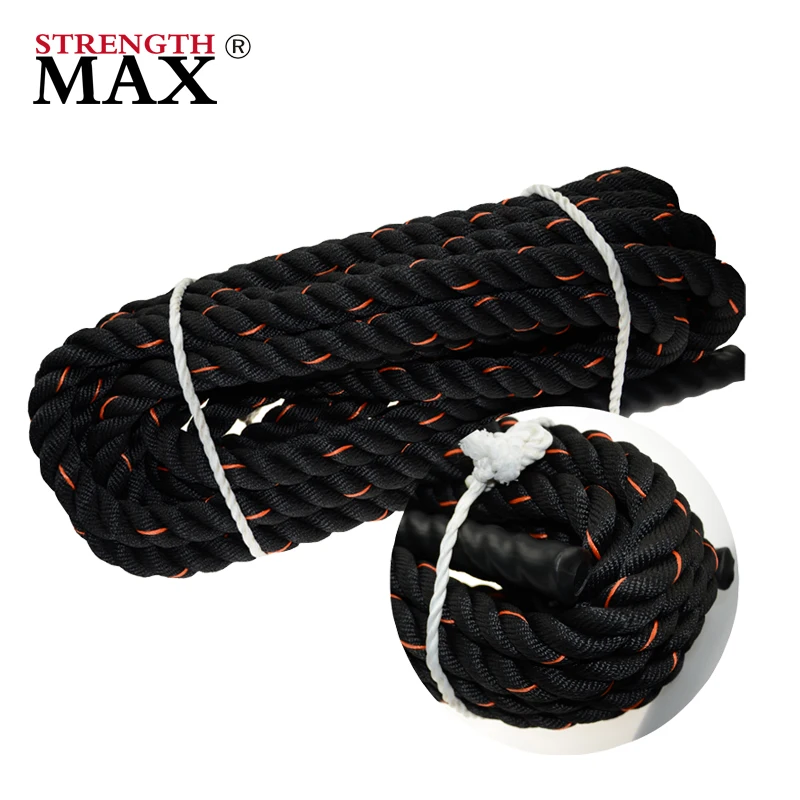
There are some common errors you should avoid when using rigging rope. One common error is using a rope that is unsuitable for the job. Be sure to use the appropriate type of rope based on the weight and kind of object you are lifting. Another mistake is trying to reuse frayed or broken rope. Always check the rope for damage (frays, breaks, etc.) before use. Finally, never exceed the rated load of the rope. Do not overload cutoff the rope may break and cause injury.
StrengthMax has manufacturing facility 20.000 square rigging rope. StrengthMax been producing rope nets, webbings, well as nets more 15 years. Honeywell Spectra (r) ideal partners. We also provided Spectra certification businesses.
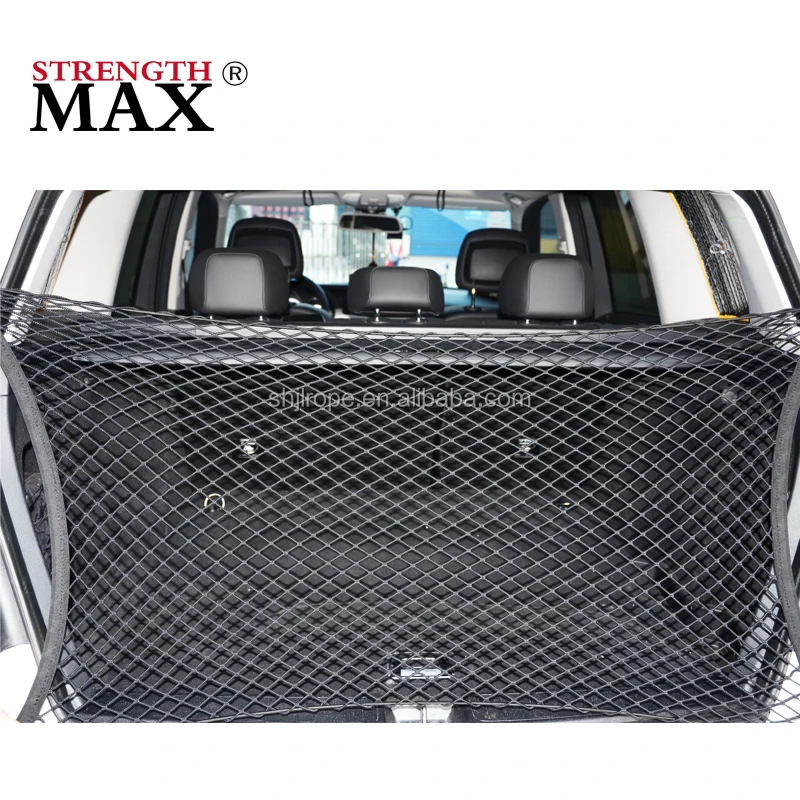
rigging ropeOEM part number stock 1000 types net, rope webbing. Mainly producing winch ropes, UHMWPE ropes, reocery rope tow straps, tree truck protectors cargo nets, safety nets, climbing nets so on.
company accredited lS09001. SGS as well certificates. We able customize rigging rope production line variety product On basis high standard tensile testing systems Customized OEM part numbers We over 1000 types rope net, webbing rope.
products employed various industries, including offroading, electric tractions rigging ropeengineerings well as ocean transportations, shipbuildings as well special equipments, defense military purposes, etc export more 80 countries.

Copyright © Shanghai Jinli Special Rope Co., Ltd All Rights Reserved - Privacy Policy - Blog