
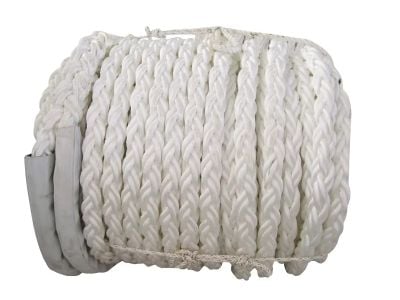
When you lift things carefully with a lot of weight, the rope that tie those matter. An excessively stretchy rope leads to issues, making it difficult to control the load. That’s where a low-stretch HMPE lifting rope comes in. HMPE stands for high-modulus polyethylene, a very strong material that doesn’t stretch a lot. When you are pulling up heavy things with great precision, you do want the rope to hold and give a little. Jinli makes these ropes so workers can keep a hold of things and not wind up in the dirt. If the rope stretches, it can cause the load to swing or move unpredictably, which can be dangerous. Because with the right rope, the load stays sure, and goes exactly where it ought to go. This is a time saver, protects equipment and keep people safe. While sometimes all ropes may appear to be the same, it is the low-stretch feature of Jinli’s HMPE ropes that distinguishes them from other solutions in precision lifting tasks
Heavy lifting applications benefit from low-stretch HMPE ropes
Dealing with heavy weights makes safety a big issue. Consider trying to lift a heavy object with an elastic rope, it bounces or slips, making it difficult to lead. It is risky for the workers, and it is dangerous to what’s being lifted. And Jinli’s low-stretch HMPE ropes remain so, standing strong and solid. They don’t stretch very much, so the load feels more secure. When a crane or hoist lifts an object, the rope behaves as a solid helper and not a stretchy band. That is, the load ends up exactly where you wanted it to be. When big steel beams are being placed during construction, for example, a stretching rope could make the beam move while it’s in mid-air. That can mean delays, or accidents. But having a low-stretch rope to keep everything calm and steady is very nice. These ropes are also quite strong, however they weigh lighter than metal chains which means handling heavy objects is easier without causing additional strain to workers. It's not just about how hard you can pull the rope, it's about how predictable that action can be. Jinli's HMPE ropes let operators have confidence in knowing the rope won't suddenly stretch or snap. Even under challenging conditions like wind or uneven loads, these ropes maintain their shape. Safety gear is only useful if the rope works as designed, and Jinli’s ropes provide that protection in being tough, reliable, steady. So, workers can concentrate on the job at hand without having to worry about that rope being all difficult
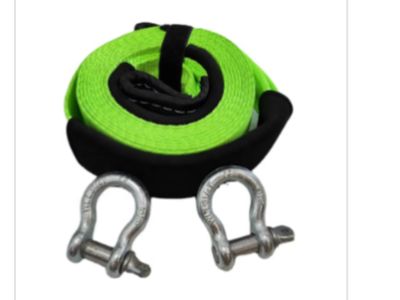
Where to Buy Bulk Low-Stretch HMPE Lifting Slings for the Industrial Sector
Blocking a lot of good ropes can be tricky. You can buy rope at many places, but not everyone sells the low-stretch HMPE variety necessary for accurate lifting. Jinli offers wholesale deals to industries who require lots of ropes for large projects. Purchasing in bulk saves companies money and leads to ropes that last longer. Jinli’s factory ensure every rope passes strict quality control before shipping. It also means no unexpected credit card charges when those ropes get delivered to your location. You can order various sizes and lengths, ones that make sense to you. Some require ropes that are thick, others those that are thin but strong. Jinli can supply both. And bulk orders mean better prices, which helps companies stay on budget. When you purchase from Jinli, you’ll also receive expert advice on which type of rope best meets your lifting requirements. That kind of support can be very meaningful for industrial buyers who are looking to minimize mistakes. Then there are the bulk orders: Should a factory or warehouse require hundreds of ropes for overhead cranes, Jinli can accommodate. They deliver on time and easily so projects aren’t stalled by waiting for materials. And there’s information included with the ropes on how to use and maintain them, which helps workers derive maximum value from every rope. So, if you're looking for low-stretch HMPE lifting ropes that offer safety, strength and competitive pricing, Jinli is your smart choice
Typical Problems with Low-Stretch HMPE Lifting Ropes and What to Do About Them
Low elongation (low-stretch) HMPE lifting ropes are also particularly advantageous for precision lifts, where under a heavy load they stretch little. This keeps the load safe and steady. But while these ropes are strong and reliable, there can be some pitfalls to using them. One issue is abrasion. The rope can become worn or fray if it rubs up against rough surfaces or sharp edges, due to abrasion. This may cause the rope to deteriorate or be unsafe. To prevent this use protective sleeves or pads wherever the rope comes into contact with rough material. Another problem is that of damage due to chemicals or by sunlight. Some chemicals or too much sun exposure can be harmful to HMPE fibers, weakening a rope over time. To help avoid this, always store your rope in a cool dry area out of the sun and away from chemicals when not on use. And it will also get used to poor handling. Kinks, knots or twists can reduce the effectiveness of a rope. Just do it right And never forget the proper way to handle and coil it and keep it in a great condition. Jinli’s low-stretch HMPE ropes include precise guidance instructions and should be practiced according to the guidelines. The rope will eventually overstressed beyond safe working capacity and lead to catastrophic failure. Always verify the weight capacity prior to each lift. When used properly, a low-stretch HMPE rope will make it easier and more accurate to perform lifting task so everybody is safe
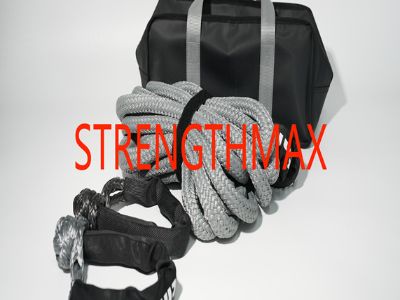
What Are The Advantages of Low-Stretch HMPE Lifting Ropes Compared To Conventional Ropes
Low-creep HMPE lifting ropes offer a number of benefits compared to conventional ropes such as nylon or polyester. For one, these ropes don’t elongate much with heavy loads. This is crucial in precision lifting, because it means the load will remain stable instead of bouncing or swinging. Classic ropes stretch and diminish more, and as a result, the load can jerk or move unpredictably and make your lifting job less safe as well as harder to control. One of the other big benefits is how much lighter HMPE ropes are than traditional dog accessories. This makes them more manageable, transportable and mountable. Workers are less tired and able to work faster and more safely. Also, HMPE ropes are extremely strong, so they can support much heavier loads without snapping. This strength-to-weight ratio is superior to conventional ropes. Another nice with Jinli’s low-stretch HMPE ropes are that they better resist water and chemicals. Which means they will last longer even in rough conditions such as rainy weather or near oily surfaces. And they float on water, a boon for some lifting jobs next to water. Finally, HMPE ropes show low heat accumulate in application so it is less likely to damage by the heat of friction during lifting. In summary, Jinli’s low-stretch HMPE lifting ropes provide a safer, easier to use and longer lasting alternative to steel rope. That makes them a great choice for anyone looking for reliable, precise lifting devices
Low-Stretch HMPE Lifting Ropes Need Care to Last How To, Keep a Low-Stretch HMPE Rope
Good maintenance of your low stretch HMPE lifting ropes is especially important to ensure that they remain serviceable and safe for a long life recommendation. Maintenance refers to whatever you do to keep the rope clean and in working order. Inspection Inspection is carefully inspecting the rope y before and after using it dor any possible problems. First of all, keep the rope clean after using. Dirt, sand and salt can become ensnared within the fibers and over time damage it. Rinse the rope with fresh water and do not use strong soaps or chemicals. After it’s washed, allow the rope to dry entirely in a cool, shaded area. Never expose it to direct sunlight or heat, as that can weaken the fibers. Make sure to carefully inspect the rope and check for wear, cuts, frays and broken strands. Focus on areas where the Surface rubs against other surfaces, or hardware. You’ll also want to look for any color changes or parts of the silica that are now stiff, which could indicate chemical damage or age. He says a regular check should be carried out on the rope and a record kept of each inspection to follow the condition of the rope. Do not slide the rope across rough ground or over sharp edges while using. Wear protective gear such as sleeves to minimize abrasion. During long term storage, the rope should be coiled neat and placed in a cool, dry, clean place after it has been washed. Store ropes away and avoid allowing them to be crushed or kinked. Simple maintenance and your Jinli low-stretch HMPE lifting ropes will remain strong and safe for a long time to come! With the proper care, your investment will not only be protected, but you’ll also have everything needed to guarantee each lift you make is safe and comfortable
Table of Contents
- Heavy lifting applications benefit from low-stretch HMPE ropes
- Where to Buy Bulk Low-Stretch HMPE Lifting Slings for the Industrial Sector
- Typical Problems with Low-Stretch HMPE Lifting Ropes and What to Do About Them
- What Are The Advantages of Low-Stretch HMPE Lifting Ropes Compared To Conventional Ropes
- Low-Stretch HMPE Lifting Ropes Need Care to Last How To, Keep a Low-Stretch HMPE Rope
