
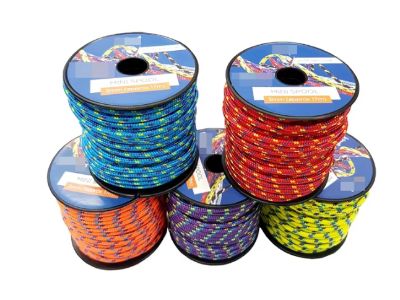
Combination ropes are essentially special purpose ropes made from different materials and these serve many of the tendencies in building designs nowadays. They are significant in contemporary architecture, as they have very high strength-to-weight ratios and can handle heavy loads. A company called Jinli, which makes high-quality ropes, has had a lot to do with that. When pulling against the hoop, combination ropes can be used to raise and lower heavy objects, support frameworks, and even form attractive patterns. Added to this, they can work in a variety of weather conditions. These accessories, for instance, can be used to support large cranes or to fasten temporary structures when completed. This flexibility gives architects and builders freedom to self express while maintaining safety and strength.
Why is Combination Rope Important for Modern Construction?
Hybrid ropes are in demand with architectonic metamorphosis thanks to their specific performance. They are constructed of a blend of substances including nylon and polyester that provide both strength and durability. This is vital when you’re building high buildings or bridges that have to support a lot of weight. For example, while building skyscrapers, workers frequently rely on combination ropes to hoist steel beams and other heavy materials high into the air. They tend to have a little bit of stretch in them, which can help absorb shock and make for a safer time.
Further, combination ropes are impervious to weathering. They don’t deteriorate in sunlight or when rained on like regular ropes. That makes them great for outdoor use over long periods without replacement. Builders love that since it saves money and time. Yet another benefit to combination ropes is that they are light. This makes them more comfortable to deal with, particularly on construction sites where workers are required to move around a lot.
Also, combination ropes may come in various colors and designs. This enables architects to employ them for more than just safety, but also as decoration of the building. For instance, a strong and colored rope can help contribute to the beauty of parks or public places but remain a practical necessity. In summary, Jinli’s combined ropes are instrumental in ensuring the safety, resilience and aesthetics of modern buildings.
Some Common Uses And Issues When It Comes To Using Combination Rope In Rigging Applications
While combination ropes make up a very useful kind of rope, they face some following problems when used in rigging. One issue is that unless you choose the rope wisely it may not be suited for certain conditions. For instance, if a rope is used in an area with high moisture content, it may become slippery and difficult to grasp. This can be perilous for workers who depend on the rope to hoist heavy objects. Builders have to ensure they bring along the correct combination rope for each job.
A further consideration is that multi-process ropes can fray or be worn out over time, particularly if used frequently. This requires workers to continually inspect the ropes to make sure they remain safe. If a rope appears damaged, it should be changed immediately. Workers should also be taught to properly use these ropes. It can cause accidents if they tie knots wrongly or overload the ropes.
Finally, combination ropes need to be stored too. Tangle or damage them with improper storage, rather than storing them right. This makes them inconvenient to use in times of need. These issues can be prevented by appropriate training and maintenance. Jinli stresses the significance of good ropes and their care, in order for crews to stay safe whilst on the job. In doing so, builders can properly utilize combination ropes and enjoy a seamless construction experience.
What Are The Advantages Of Combination Rope In Construction Sites?
Plastic rope is widely used in construction projects are well, and especially when it comes to building tall buildings like skyscrapers or bridges. This type of rope is created through the combination of various materials, making it both strong and flexible. Strength is one of the greatest advantage when using combo rope. It is sturdy enough to handle heavy loads without breaking, which keeps workers safe as they depend on this stool for lifting items. Say, for instance, workers need to transport heavy steel beams up a building, combination rope enables them to do so simply and securely. Another advantage of combination rope is that it is lightweight. That said, workers who wear it can tote it around without feeling overly fatigued. Lightweight ropes are easier to handle, and that can translate to getting the job done in less time. Combination ropes are also weatherproof. They are not easily ruined by rain or snow, which is important in outdoor construction work. And the way a combination rope can be tied in various patterns bulge. This makes it versatile for a range of jobs, lifting to pulling to securing. Combining types of rope can save time as well as money. And, because it is such a strong and durable material, employees do not need to replace it as frequently as rope made from other materials. The result is less equipment purchased and less time spent repairing or switching out gear. In conclusion, combination rope provides numerous advantages that can greatly contribute to the success of construction projects by providing these attributes and more, making it a sound decision for builders and architects. At Jinli, we know how important it is for you to find the right material that will ensure your equipment doesn’t break down during delicate construction projects. That’s why we’ve supplied these rugged combination ropes.
How Combination Rope Increases the Safety of Two Popular Architectural Rigging Designs
Safety is always a concern in construction, and rigging design is no exception. Combination rope is also a huge factor in keeping workers safe as they build. There are several ways it can do so, including its strength. There is a human fabrication factor: Workers need to trust that their ropes will not snap under the strain of heavy loads. Combination ropes are designed to be extremely strong, so they do not snap while carrying heavy loads. It gives workers security as they work. And let's not forget that combination ropes are supposed to be flexible. This makes it so they can come and go as they please, change angles and reposition. Rigging that is flexible can be a way to prevent accidents. If a rope is caught in the turn of the yoke, a combination rope won't break under pressure. This degree of freedom is what makes lifting or carrying heavy things a more controllable task. In addition, integrated ropes are frequently designed to be wear resistant. They are resistant to fraying and damage from abrasion on rough surfaces. This makes ropes less likely to wear out as well which is an accident waiting to happen. Another safety device is to have combination ropes that are color-coded, or marked in some other manner, such as to make them more visible. Vibrant colors allow workers to spot the rope with ease, therefore reducing trip hazards or getting caught. Jinli combination ropes are very safe in the use of all kinds of climbing and rappelling. Construction Projects Can Be Safer With Architectural Rigging Designs and Combination Ropes Using combination ropes in architectural rigging designs means construction projects make a working environment safer, can protect those who work there as well as produce a successful build.
Getting the Most Out of Combination Rope in Rigging Systems
To maximize combination rope in your rigging system, it should be used properly. First, workers should always select the appropriate combination rope for their application. Neutral support poles, for example, may allow the use of a heavier-weight fabric than would something like a flex frame or other spring-loaded systems that use rods. And with different projects come different strength and flexibility needs, so it’s important to know what you need before beginning. At Jinli, we have multiple combination ropes, suitable for all the builder’s rigging needs. Another way to get the most out of it is by taking proper care of your device. Ropes should be frequently inspected for indications of damage. Workers should check for fraying, cuts or any other damage that might compromise the ropes’ effectiveness. If any problem is detected, the rope should be replaced in a timely manner to prevent accidents. Also, learning how to tie knots is essential. Proper knots can make it easier to secure a load and will deter slippage. Workers need to be able to tie knots and know what kind of knot is best for certain circumstances. The proper instruments should also be employed in combination with ropes. Pulleys, hooks and other rigging hardware should be suitable for the rope employed. This binds everything together by making it work in a smooth, overall manner. Finally, training is vital. Workmen should be provided with instructions on the correct method in which to utilize in a safe and efficient manner. Best practices will help them avoid common mistakes and work more efficiently. By utilizing these methods, construction crews can get the best performance from combination rope for their rigging systems. This not only aids in being able to get more done, but also creates a safety work site. At Jinli, we are attentive to the needs and success of our customers who use quality combination ropes, equipment and services for maximum performance.
Table of Contents
- Why is Combination Rope Important for Modern Construction?
- Some Common Uses And Issues When It Comes To Using Combination Rope In Rigging Applications
- What Are The Advantages Of Combination Rope In Construction Sites?
- How Combination Rope Increases the Safety of Two Popular Architectural Rigging Designs
- Getting the Most Out of Combination Rope in Rigging Systems
