
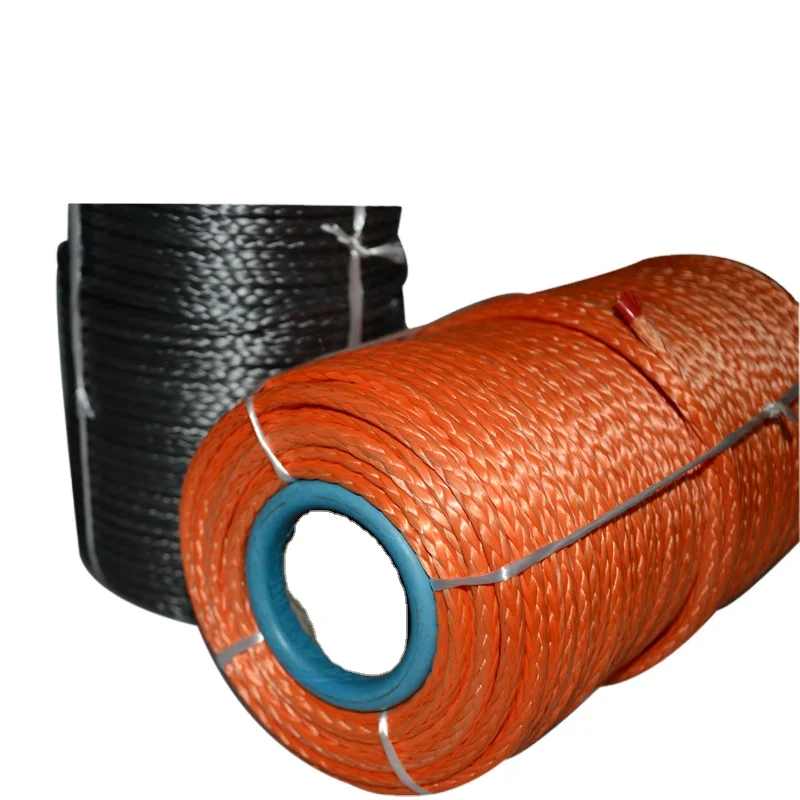
At Jinli, we understand ropes and how to keep them safe. At times the rope is fine on the outside but has issues hidden within that you don’t immediately notice. If you have any of those problems, the rope may fail when you need it most. So thoroughly examining your rope, even the little or hidden parts, is what helps keep you safe. This article explains how to locate these hidden defects and provides insight into what warning signs you can look for that indicate whether your rope might need repairs or replacement. And it’s not difficult, but you have to be patient and work carefully.
Where to Look for Hidden Damage in Combo Ropes that Can Lead to Failure
When you take a combination rope to visual inspection, the outside may seem all right, but there are many places for problems to hide. At the outset, take a close look at both ends of the rope. These parts are often crushed or sliced, especially as ropes are knotted or tugged. You may spot frayed threads or small cuts that appear like minor scratches. Do not overlook those as even a little damage can become larger. Then inspect the middle of rope. The outside may appear smooth, but inside the rope, fibers can be worn or broken. You can feel around for areas where the rope feels thinner. That is the inside fibers are destroyed. A slight twist to the rope is helpful, too. If the parts do not turn smoothly or feel rigid, that could be an indication of hidden damage.
Also, inspect for discoloration or dark spots. At times the rope is not broken entirely, but merely soiled or corroded by chemicals. Those are the places where the rope is weaker. Where you see mold or mildew? That’s proof moisture has worked its way inside the rope, and it can lead to problems as well. It’s also in challenging spots where the rope bends a great deal, such as right around knots or pulleys. Frequent bending can snap fibers in the rope. If you can, you should open the strands carefully and take a peek inside. If you discover broken or flattened fibers, the rope is not safe. At Jinli, we always tell our customers to check these parts carefully before they use the rope in work or climb. Safety is not only what you see outside. It’s seeing what is concealed within.
How to Recognise Internal Wear in Combination Ropes for Bulk Buyers
When purchasing combination ropes, it's important for wholesale buyers to be careful. They are getting a mix of ropes at one time and some may be damaged either by the manufacturer or the shipment. Internal wear can be very hard to determine but also very important. One way to determine if there is wear is to create a tight kink by bending the rope. Feel the rope in that kinked position. If there is wear on the inside, the interior of the rope may feel lumpy or bumpy or uneven to the touch. Another way to check for internal wear is to pass your fingers down the rope after applying pressure with your grip. If it sure does feel thinner or softer, then the inside fibers are broken down or possibly weak.
The rope could also lose its shape due to some internal wear. For example, if the rope used to be round and becomes flat or lumpy, then that is another sure sign wear is present. A wholesale buyer might take your advice and randomly check, say a few from each box, before accepting them. You could also compare the new ropes to lines that are already in service. If you see or feel something that doesn't feel similar to the rope already in service, or it doesn't have the same strength and smoothness qualities, then there is definitely a chance the new ropes may have a pre-existing internal issue. At Jinli, we recommend shaking the rope to listen for any possible sounds of something snapping or rubbing. Almost always the sound will relate to damaged fibers in the interior of the rope. Also, smell the rope. The rope smells of chemicals or burning may indicate it has been in contact with heat (forming toxic gases) or something destructive at a cellular level to the fibers.
Damage can also occur during storage, such as if the ropes are stored in a damp place. Buyers also should look for mold or mildew smell and inspect for any discoloration. If you observe problems, don’t use the ropes until you have a conversation with the supplier or receive expert advice. Beneath it all, keep in mind that ropes are not simply a matter of price or quantity. Safety is a matter of how good you are at inspecting each and every rope for concealed wear. At Jinli, quality and safety are important to us, so we help buyers understand how to identify such issues and pick out only the top-tier ropes. That means anybody who uses combination ropes in work or play can stay safe.
How to Inspect Quality of Combination Rope at Scale
When you work on heavy-lift ropes frequently, such as at big projects or in businesses, it is really essential that you pay attention to their quality. Combination ropes are constructed by twisting or braiding different materials together, and can thus be strong and useful for many jobs. Our brand, Jinli, understands that inspecting these ropes good is important to keeping people safe and machine working right. To check for quality of combination ropes in scale, there are some best practices that allows the process to be clarified and simplified.
First of all, always look at the ropes in good light. Eye in the sky Bright light makes it easier to see little things you might miss in dark or shadowy spots. Inspect the entire length of the rope — not just its ends. Small cuts, a dirty sheath, or even a change in the rope’s feel can indicate that it has become weather damaged. Feel the fish with your hands for bumps, soft spots or hardness which might indicate internal damage. Then measure the diameter of your rope in a few places. If it is thinner or thicker at different points that could be a sign of wear or stretching. Also, check the rope’s color. Occasionally, ropes change color as they age or are damaged by sunlight or chemicals.
If you are inspecting many ropes at once, such as in a warehouse or shop, it is useful to have a checklist. That checklist should include observations such as whether there are any frayed areas, signs of age (such as its diameter at the midpoint) and stiffness, and whether it smells unusual (which could be an indication that chemicals have damaged the material). It is smart to record the condition of each rope as it will enable you to know when the ropes are due for replacement or repair. Jinli places labels and instruction cards with each rope so you can monitor the quality during big inspections. Finally, if you are unclear about any rope, don’t use it until an expert has looked at it. Adhering to these best practices keeps everybody using the ropes safe and can make your life easier.
How To Check For Wear And Tear On Heavy-Duty Combination Ropes
Combination ropes are commonly employed in punishing work, like lifting heavy objects or pulling machines. It becomes really important that, for such heavy-duty purposes, the signs of damage can be identified particularly from fraying and abrasion. Fraying is when the threads of a rope or its fibers are coming apart, abrasion is when the age or surface of the rope chafes on hard/rough objects. Jinli produces strong ropes, but even good ropes require careful inspection to remain safe.
To detect fraying, examine the surface of the rope closely. Sometimes the rope ends have frayed threads. But there can also be fraying in the middle of the rope, where you might notice small fibers separating from it. Rub the rope with your fingers. If it feels rough or fuzzy, that indicates fraying. You can also tug on the rope a bit and see if some fibers begin to come out. Do not overdo it and caution against any destruction of the rope when you perform an inspection. Frays could weaken the rope, so if you spot one, it means that your rope may need to be repaired or replaced.
Abrasion is a little different, since it has to do with the rope’s outer layer being worn down. Look for shiny or smooth areas where the rope appears worn. These areas may appear thinner or have a different color. Wear and tear occurs when the rope bangs against metal edges, concrete or other jagged surfaces. Examine along the entire length of the rope, particularly wherever it is bent or makes frequent contact with hard objects. Sometimes abrasion can be difficult to spot, so use good light and run your hands over the rope while running your fingernails into it, you should be able to instantly identify any rough or thin areas. Jinli ropes are abrasion resistant, but no rope can last forever. If you notice heavy abrasion, it’s better to discontinue using the rope until a professional has had a look at it.
Early detection of fraying and abrasion prevents accidents, making heavy work safe. Keep following Jinli’s safety instructions and checking your ropes every time you go out.
Where to Look For Trustworthy Guides to Inspecting Combination Rope for Wholesale In many cases, when individuals are looking for guides they can trust in what its best and not-bests on scoping out their rope inspection needs, They aren t sure where to look First off, you want to start with a very simple Google or Bing search.
If you purchase combination heavy ropes in bulk, such as for a business or retailer, it is extremely important to know how to properly inspect them. When you have loads of ropes, you want clear and trustworthy guides that'll let you to check each rope for damage or wear. Jinli knows this and provides information to maintain your ropes.
Some of the best sources for guides would be straight from Jinli’s website, or customer service. Jinli comes with simple-to-follow instructions and an accompanying video to help you check combination ropes. These guides tell you what to look for, how to safely handle the ropes and when they need replacing. Because these are the rope maker's guides you can be confident that advice is sound and will suit Jinli's types of rope in every way.
Another good source of information is printed manuals or sales booklets that accompany your wealth orders. Jinli adds these stuff in order to show consumers the procedures of inspecting ropes by themselves without necessary tools and professional knowledges. This material often has pictures and easy tips that anyone can understand. They also demystify the most common issues such as fraying, abrasion or broken fibers so you know what signs indicate when the rope is unsafe.
If you would like to learn more, Jinli occasionally offers training sessions or workshops. These are useful for businesses with lots of ropes being used and want their men to be inspection pros. Training allows people to see concealed damage that may not be immediately evident at first glance. Plus, Jinli’s experts can answer questions and offer advice related to your type of work.
Lastly, keep your guides and inspection documentation in order. Before you go buying rope wholesale, it can be all too easy to lose track of which ropes have been tested and when. When you use Jinli’s inspection guides and tools, your business is safer and it saves money by preventing accidents or premature rope failure. The first step to ensuring that every rope you rely on is strong and ready for the job is finding a reliable guide.
