
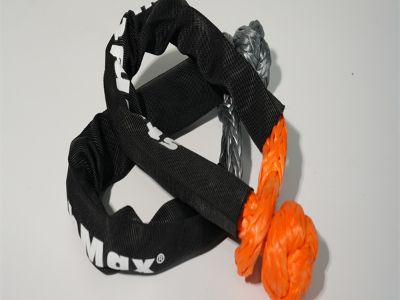
Ropes: Universal tools for use in a wide range of industries. They are used to haul loads, pull heavy things and keeps workers out of harm’s way. At Jinli, we are aware that there are different types of ropes but the two most common ones are 6-strand and 8-strand combination ropes.
Main benefits of 6-Strand vs 8-Strand Combination Ropes for Bulk Buyers
Wholesale buyers are looking for ropes that sell well and work well. Regarding 6-strand and 8-strand ropes, each has distincts advantages. 6-strand ropes are generally thicker and heavier than 8-strand ropes of equal diameter. It makes them seem stronger and tougher. Heavy-lifting or otherwise rough-usage buyers might prefer 6-strand ropes, because they stand up well in tough places. Good grip of a 6-strand resulting from in which directions the strands twist. That’s less damages and longer life for the rope.
Selecting 6 Strand vs. 8 Strand
Choosing the right rope for industrial purposes can be tricky. It isn’t just about how strong the rope is. How the rope bends, how it feels in your hands and how it degrades also count. The winch rope synthetic is ideal for any job where the ropes needs to withstand rough conditions. It’s generally thicker, so is able to handle heavier loads without breaking.
Combination Ropes
This is because that 8-strand rope has more many individual strands twisted into it and therefore gives it higher strength. Think of a rope as friends holding hands: The more friends you have, the harder it is to pull them apart. It works exactly the same with the fishing rope. There is an even weight and stress distributions in each strand of the rope, so it can supports heavier weights without easily snapping.
Common Use Problems
The lower numbers of strands in 6-strand ropes can cause them to become frayed or damaged more quickly when pulled over sharp edges or rough surfaces. Which is to say that workers have to check them more often, and use like-new replacements sooner, in order to stay safe on the job.
Comparison
When purchasing ropes in bulk, such as for a company or large project, it’s important to considers the longevity and ease of use when using them. Jinli’s soft shackles are vary much in two sides: (1) wear resistance, (2) flexibility. Durability refers to how strong the rope remains after repeated uses, and flexibility describes how easily it bends or moves without snapping.
Conclusion
Jinli does even better in the flexibility being that they render 8-strand ropes. When bent or twisted, they retain strength but remain pliant. This matters when you're strapping the ropes around corners, running it through pulleys, or tying knots in it. 6-strand ropes tend to be stiffer and may be more difficult to handles and prone to damages from bending. Flexibles ropes can be used for bulk purchases to save time and problems of use.
